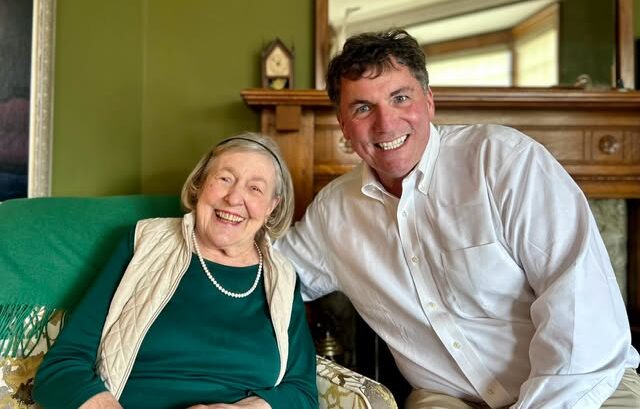
There are currently no reliable or official confirmations that Marilyn Trenholme Counsell has passed away. Claims circulating under titles such as “obituary” or “in loving memory” appear unverified. As a result, it is important to treat the information cautiously and avoid presenting it as a confirmed death notice.
What can be provided, however, is a respectful overview of her life and legacy, as she remains a well-known public figure in Canada.
Marilyn Trenholme Counsell is widely recognized for her distinguished contributions to public service, medicine, and advocacy, particularly in the province of New Brunswick. She has built a legacy centered on healthcare reform, child welfare, and community development, earning respect across political and professional circles.
Born in Canada, Trenholme Counsell first established herself in the medical field as a pediatrician. Her early career in medicine gave her firsthand experience with the challenges faced by families, particularly in rural and underserved communities. This medical background later became a cornerstone of her public policy work, as she consistently advocated for stronger healthcare systems and improved services for children and families.
Her transition from medicine to public life marked a significant expansion of her influence. She served as a Member of the Legislative Assembly in New Brunswick, where she became known for her thoughtful approach to policymaking and her strong focus on social issues. One of her most notable contributions was her advocacy for early childhood education and literacy, areas in which she was considered a pioneering voice.
Trenholme Counsell’s dedication to public service reached its highest level when she was appointed as the 29th Lieutenant Governor of New Brunswick. In this role, she represented the Crown in the province and supported a wide range of civic, cultural, and charitable initiatives. Her tenure was marked by efforts to promote education, health awareness, and community engagement, particularly among youth and marginalized populations.
Beyond her official roles, she has long been admired for her commitment to volunteerism and grassroots initiatives. She has supported numerous organizations focused on literacy, public health, and social development. Many colleagues and community members have described her as compassionate, principled, and deeply committed to improving the lives of others.
Her influence also extended into national conversations about healthcare and education policy in Canada. As both a physician and a policymaker, she brought a rare dual perspective that bridged clinical experience with legislative action. This combination allowed her to advocate effectively for reforms that addressed real-world needs.